
Face Coverings - A Veil Confusion
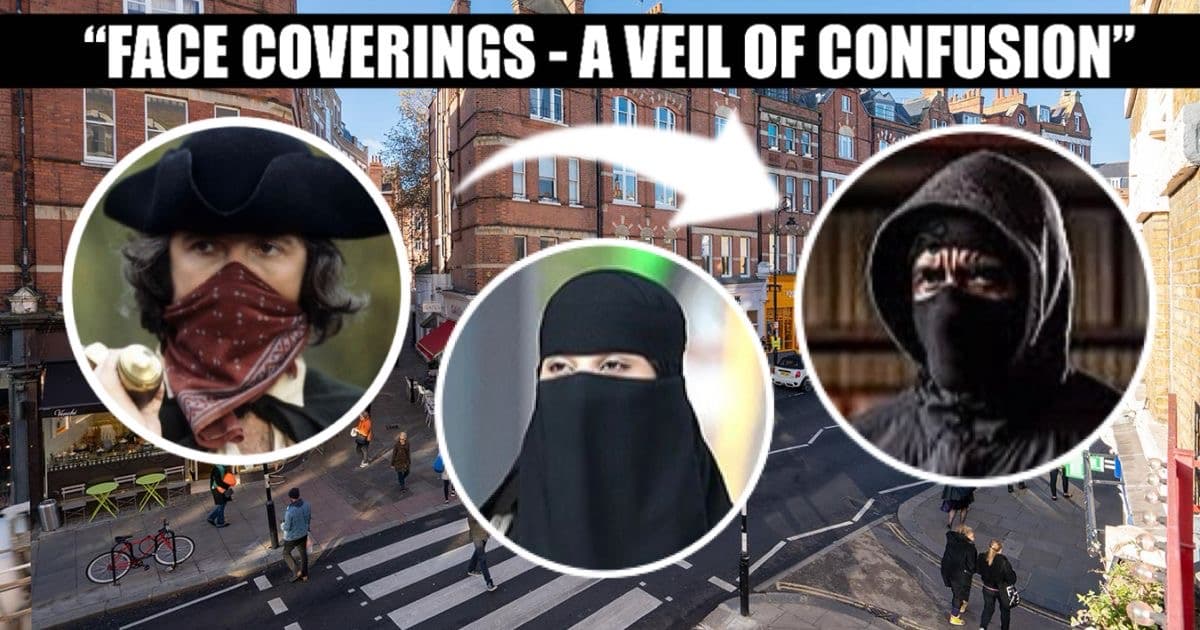
Unmasking Britain: A Legally Robust Case for a Universal Face Covering Ban
The debate over banning the burqa is a distraction, mired in accusations of discrimination and bias. Targeting Islamic face veils alone fails legal scrutiny. Enter a universal ban on all face coverings—burqas, balaclavas, ski masks, surgical masks—rooted in the unassailable principle of public safety. Such a policy, mirrored by Muslim-majority nations like Chad and Morocco where burqas and other Islamic face coverings are outlawed for public safety, would restore law and order to Britain’s streets while deftly neutralising cultural disputes. Here’s the case, argued with street sense and legal precision.
Modern Highwaymen, Unmasked
Britain’s streets in 2025 evoke a grim echo of 18th-century lawlessness. Phone thieves, the modern highwaymen, have traded Black Bess for Sur-ron e-bikes, scarves for ski masks, and rapiers for machetes. These faceless predators—often teenagers—swoop through London and Birmingham, snatching phones, menacing commuters, and vanishing into alleys before police can respond. Their superpower? Anonymity. In an era where crime detection hinges on CCTV and number plate recognition, masks shield identities, and Sur-rons, illegal on public roads, bear no plates, rendering them ghosts to law enforcement. Unmask these culprits, and their bravado collapses.
The Debate’s False Dichotomy
When Reform MP Sarah Pochin proposed banning face coverings, the reaction was predictable. Many on the left cried “Islamophobia,” framing any restriction on religious garb as intolerance. Others fixated on burqas, ignoring the bigger issues. Both miss the mark. This isn’t about faith or sentiment—it’s about criminality. Face coverings, whether niqabs or ski masks, obscure identity, abetting crime. Muslim-majority states like Chad, Cameroon, and Morocco banned veils to thwart jihadists and fraudsters, not to enforce secularism. Britain can adopt a universal ban to achieve the same.
A Legal Legacy of Pragmatism
History provides precedent. In 1723, the Waltham Black Act went after the criminal gangs using soot to cover their faces while poaching or committing other crimes, recognising anonymity as a felon’s tool. Its logic holds. Modern democracies have followed suit:
Related Articles


Comments (0)
No comments yet. Be the first to share your thoughts!
Leave a Comment
Your email address will not be published. Comments are moderated before appearing.