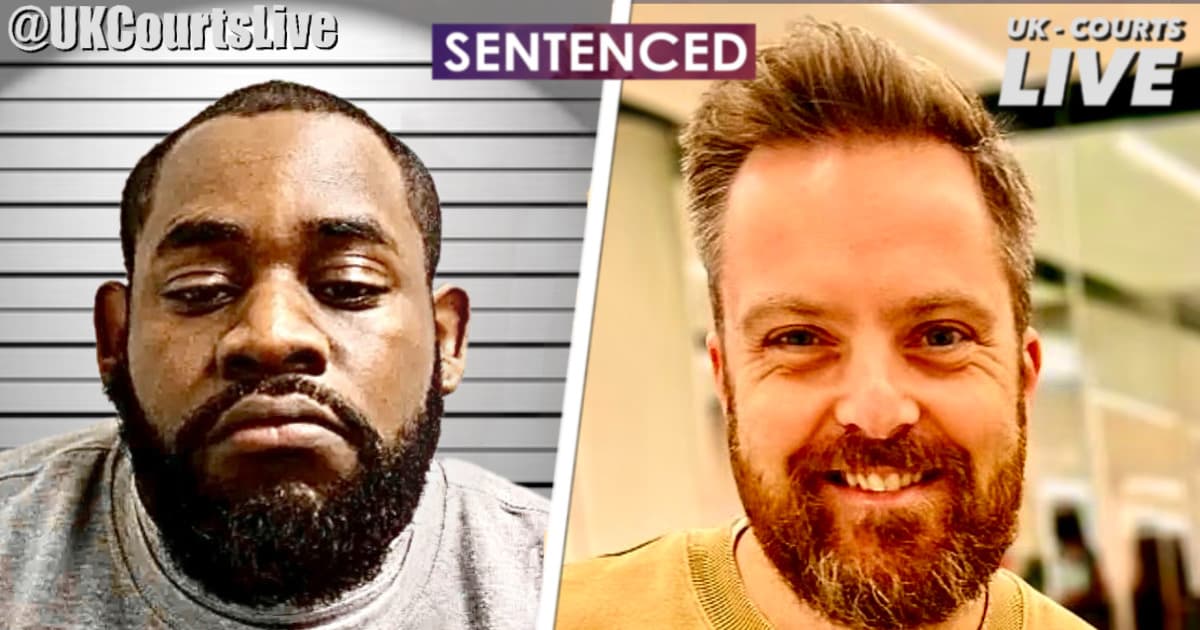
GAMING LIVESTREAM MYSTERY: MCCULLAGH ON TRIAL FOR McNALLY MURDER
Stephen McCullagh is on trial for the murder of his girlfriend Natalie McNally, accused of using a pre-recorded livestream as an alibi.

Stephen McCullagh is accused of murdering Natalie McNally and using a pre-recorded livestream to create an alibi.
Stephen McCullagh, a resident in Northern Ireland, faces charges at Belfast Crown Court for the murder of his girlfriend, Natalie McNally. Prosecutors allege that McCullagh murdered Ms McNally on December 18, 2022, and subsequently fabricated an alibi by uploading a pre-recorded six-hour gaming livestream online.
According to The Guardian, investigators uncovered evidence suggesting that McCullagh recorded the video stream several days before the alleged murder. This method of deception raises questions about the extent to which technology can be used to mislead in criminal investigations. Police sources confirmed that the defendant admitted to pre-recording the gaming session and uploaded it falsely as a live broadcast.
The case has sparked debate among legal experts over the use of digital evidence in homicide cases. Defence attorneys for McCullagh argue that while their client admits to recording the video, they deny any involvement in McNally's death. The prosecution is relying heavily on technological sleuthing and forensic analysis to build its case.
Digital forensics have played an increasingly prominent role in criminal proceedings over recent years, with social media and digital streaming platforms becoming crucial pieces of evidence for both prosecutors and the defence. In this instance, the alleged manipulation of online content poses new challenges for investigators in proving intent and establishing a timeline.
Natalie McNally's death has left her family grappling with immense grief and uncertainty. Her mother, Jane Matthews, told reporters that 'the loss is unimaginable, but we hope justice will be served'. Family members have called for robust measures to prevent similar tragedies from occurring in the future, emphasising the importance of early intervention and support.
Legal experts are closely watching this case as it sets a precedent regarding digital deception in murder cases. If convicted, McCullagh could face life imprisonment under Section 1 Murder Act 1965, which applies to premeditated killings with intent to cause grievous bodily harm or death.
James Lyness, a legal analyst at the University of Ulster, commented that 'the use of technology in creating false alibis highlights the need for continuous updates in legislation and investigative techniques'. He added that this case underscores the importance of digital literacy among law enforcement professionals to tackle such sophisticated criminal tactics effectively.
Related Articles


 Bea Rightback
Comments (0)
No comments yet. Be the first to share your thoughts!
Leave a Comment
Your email address will not be published. Comments are moderated before appearing.