🔴 IS TRANSGENDER ANONYMITY NOW A PLAYBOOK FOR ONLINE ATTACKS?
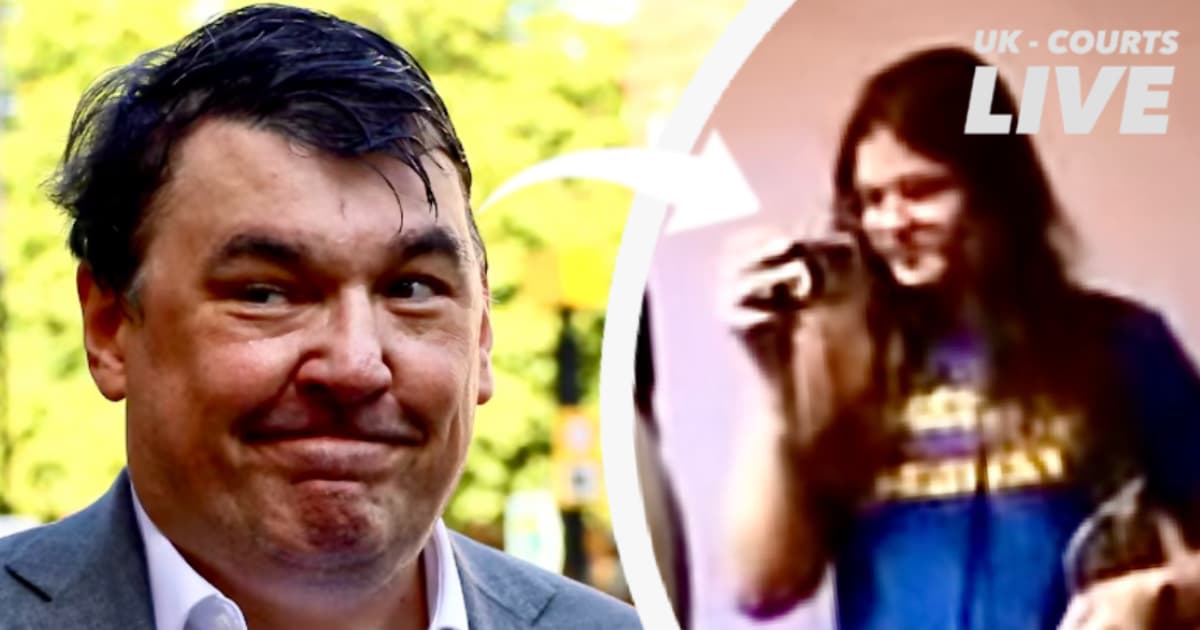
Following our recent reporting of the Graham Linehan trial, one aspect of his testimony stood out not as theatre for the jury, nor fodder for the press gallery, but as a legal conundrum demanding examination in its own right.
The question is deceptively simple: has the anonymity granted by British law to those who have undergone gender transition created a loophole that is now being quietly weaponised?
To understand the stakes, we must first consider the law itself. The Gender Recognition Act 2004 makes it a criminal offence to disclose a person’s previous name or gender identity once a Gender Recognition Certificate has been granted.
The Equality Act 2010 overlays this with protections against harassment and discrimination, while contempt rules ensure that the courts, as well as the media, treat a so-called “dead name” as radioactive material. For good measure, regulators from IPSO to Ofcom reinforce this prohibition. The result is a legal firewall: a line in the sand where past and present are forcibly separated, and a journalist who steps across risks prosecution, fine and censure.
This is no mere point of etiquette. The press does not omit pre-transition identities because it wishes to be polite. It does so because the law requires it, on pain of sanction.
The intention was to protect individuals from harassment and abuse. Few would argue that was an ignoble aim. Yet in practice it has created a peculiarly British paradox: while the rest of us carry the inconvenient burden of continuity, those who transition acquire a statutory clean slate. A curious privilege indeed, one that no debt-ridden student, bankrupt businessman or bankrupt politician has ever been afforded.
It was against this backdrop that Linehan told the court his antagonist, Sofia Brooks, had exploited precisely this anonymity. He described behaviour at events as abusive and snide, accused Brooks of targeting critics with false allegations, and went further by asserting that doxxing photographs of attendees was part of the trans activist’s “playbook”. His choice of words was deliberate: “playbook” implies method rather than madness, a strategy rather than a scuffle. Whether one accepts his characterisation or not, it is hard to ignore the larger question it raises. If one side of a debate can speak under legal cloak while the other must bare its identity, are we really conducting the argument on level ground?
The courts, of course, cannot indulge hypotheticals. They try the case before them, not the philosophy behind it. But an Op-Ed is free to ask the impertinent questions. What if the statutory protections, drafted in the spirit of equality, are being quietly repurposed as tools of asymmetry?
Related Articles

Comments (0)
No comments yet. Be the first to share your thoughts!
Leave a Comment
Your email address will not be published. Comments are moderated before appearing.