
Politics
SCOTTISH PARLIAMENT ELECTION 2026: KEY ISSUES ANALYZED
W
Whip Whitaker4 March 2026 at 01:232 min read
Read MoreLATEST UK & WORLD NEWS HEADLINES »»» LATEST UK & WORLD NEWS HEADLINES »»»
Global oil and gas prices have surged amid fears of escalating conflict, causing share markets to tumble. The exact cause of the decline remains debated, with factors including geopolitical tensions and economic instability.
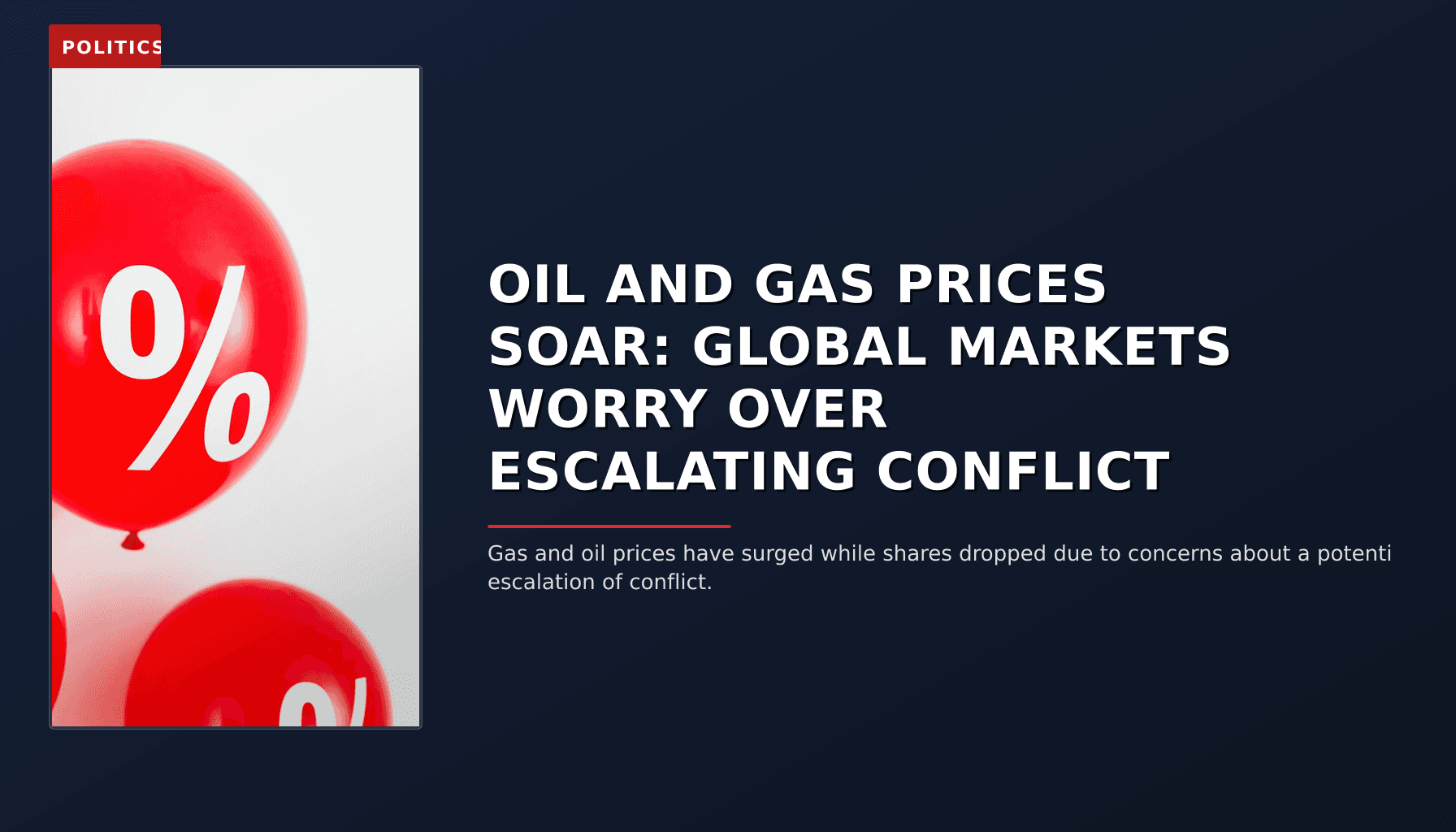
The global energy market is currently facing significant volatility, with oil and gas prices surging to their highest levels in recent months. This dramatic increase has been driven by a combination of factors, including supply constraints and heightened tensions in key producing regions. According to financial analysts at the Financial Times, the price hikes reflect growing concerns about potential disruptions to energy supplies amid geopolitical instability.
Meanwhile, share markets have experienced a sharp decline, with investors expressing nervousness over the possible escalation of an ongoing conflict. The sell-off has been particularly pronounced on major exchanges, as fear of widespread economic repercussions mounts. Sources from Wall Street indicate that investor sentiment is being heavily influenced by uncertainties surrounding global security and stability.
The exact cause behind the stock market downturn remains a topic of debate among experts. While some attribute it directly to fears of escalating conflict, others point to broader economic instability as a contributing factor. This divergence in opinions highlights the complexity of the current financial landscape and underscores the need for careful analysis of both geopolitical and economic indicators.
Analysts warn that if the conflict were to escalate further, the impact on global energy prices could be severe and long-lasting. This would not only affect fuel costs but also have ripple effects across industries reliant on oil and gas. The situation is being closely monitored by policymakers and market participants alike, who are bracing for potential disruptions in supply chains and increased inflationary pressures.
In light of these developments, experts are urging caution among investors. They advise keeping a watchful eye on both the geopolitical situation and economic indicators, as the interplay between these factors could lead to further volatility in financial markets. For consumers, the rising energy prices are likely to result in higher costs for transportation, heating, and other essential services.
As the situation continues to evolve, the focus remains on whether tensions can be de-escalated or if further military actions will occur. The outcome of this uncertainty will have profound implications not just for energy markets but for economies worldwide. For now, both investors and consumers are advised to remain vigilant and prepared for potential changes in market dynamics.
 Whip Whitaker
No comments yet. Be the first to share your thoughts!
Your email address will not be published. Comments are moderated before appearing.
2 March 2026 at 20:522 min read
Read More