
SEVERE HEALTHCARE STRAIN: UK HOSPITALS AND CARE HOMES SUFFER AS OVERSEAS WORKER NUMBERS PLUMMET
A dramatic decline in overseas workers, particularly nurses, is putting immense pressure on the UK's healthcare system. Hospitals and care homes are struggling to cope with severe staffing shortages.
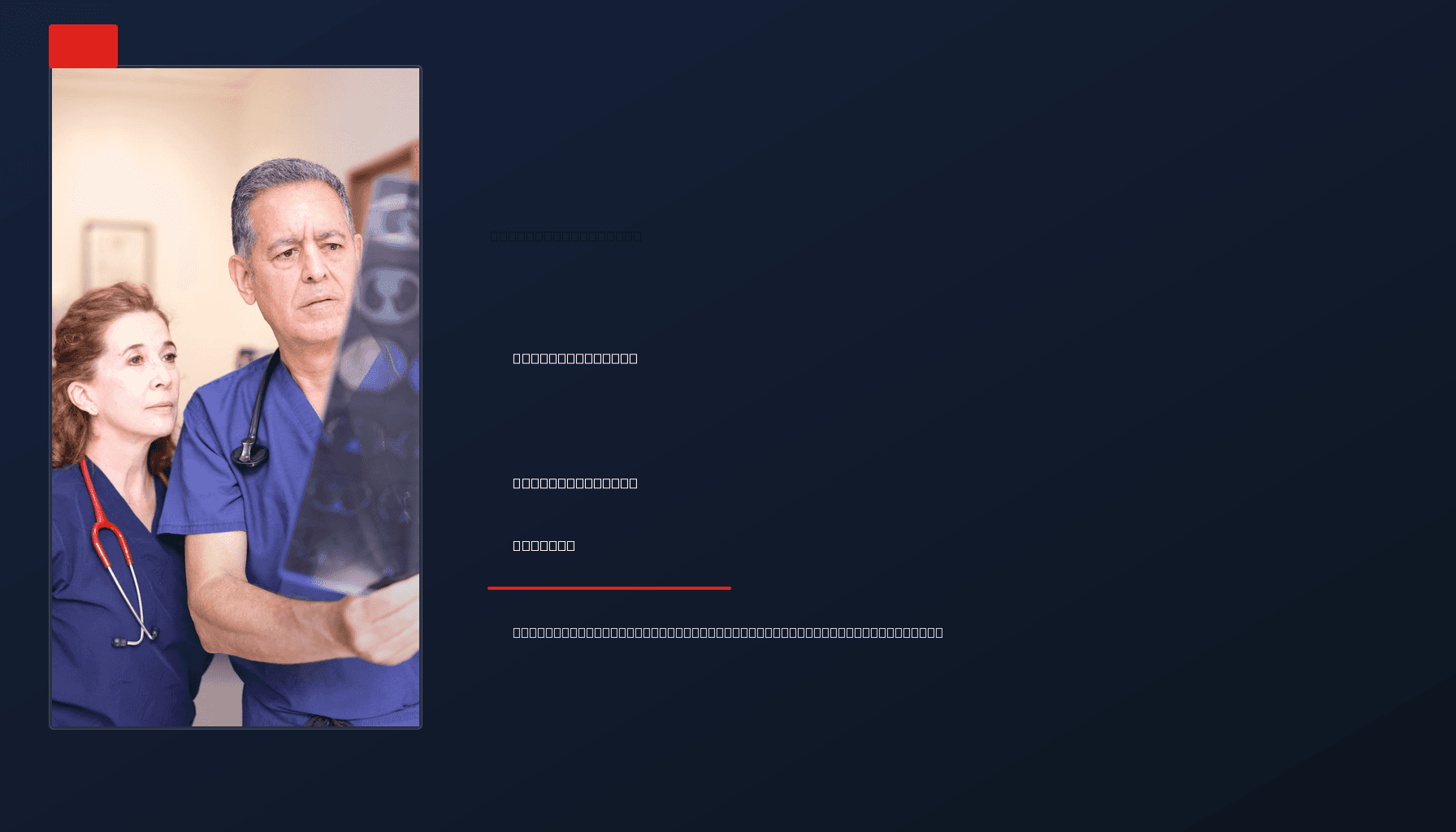
A dramatic decline in overseas workers, particularly nurses, is putting immense pressure on the UK's healthcare system, with hospitals and care homes struggling to cope.
The UK’s healthcare sector faces a critical moment as a stark drop in the number of overseas workers is exacerbating existing staff shortages. According to recent data, the influx of foreign nurses into Britain has plummeted by an astounding 93% over three years, leaving hospitals and care homes grappling with severe staffing issues. Dr Dora-Olivia Vicol from the Work Rights Centre warns that this trend threatens the sustainability of healthcare services.
The figures reveal a concerning trend: in 2022, 26,100 overseas nurses were granted entry to the UK; by 2025, that number had plummeted to just 1,777. This decline is mirrored across other essential caregiving roles, with visas for workers in personal service occupations falling from 107,847 in 2023 to a mere 3,178 by the end of 2025—a reduction of nearly 97%. These statistics underscore a significant challenge for institutions reliant on international recruitment.
The Royal College of Nursing has echoed warnings about the impact this decline is having. Lynn Woolsey, director of policy at the RCN, notes that hospitals are already battling to fill more than 25,000 nursing vacancies. “These figures should serve as a wake-up call for policymakers,” she said. “The healthcare system’s ability to deliver quality care without these workers will be severely tested.”
Experts from The King's Fund have also weighed in on the issue, emphasizing that domestic recruitment efforts alone cannot fill such vast gaps left by overseas workers. Simon Bottery of The King's Fund points out that current recruitment strategies are not yielding enough candidates to meet demand: “The UK healthcare system has long relied heavily on international staff to bolster its workforce, and this sudden decrease is testing the limits of what can be achieved with domestic hires.”
Beyond immediate staffing concerns, there are broader implications for public services. Dr Vicol suggests that the strain could extend beyond hospitals and care homes into other areas dependent on migrant labour. “It’s not just about healthcare; it affects everything from social care to local government services,” she explained. As fewer workers come in from abroad, pressure mounts on existing staff who are already stretched thin.
The National Care Association highlights the impact this is having on care home residents and their families. Nadra Ahmed, a spokesperson for the association, noted that staffing shortages can lead to reduced quality of life and increased stress levels among those receiving care: “We’re seeing more instances where staff ratios make it difficult to provide adequate personal attention to each resident.”
Related Articles
 Chip Offtheroldblock
Comments (0)
No comments yet. Be the first to share your thoughts!
Leave a Comment
Your email address will not be published. Comments are moderated before appearing.