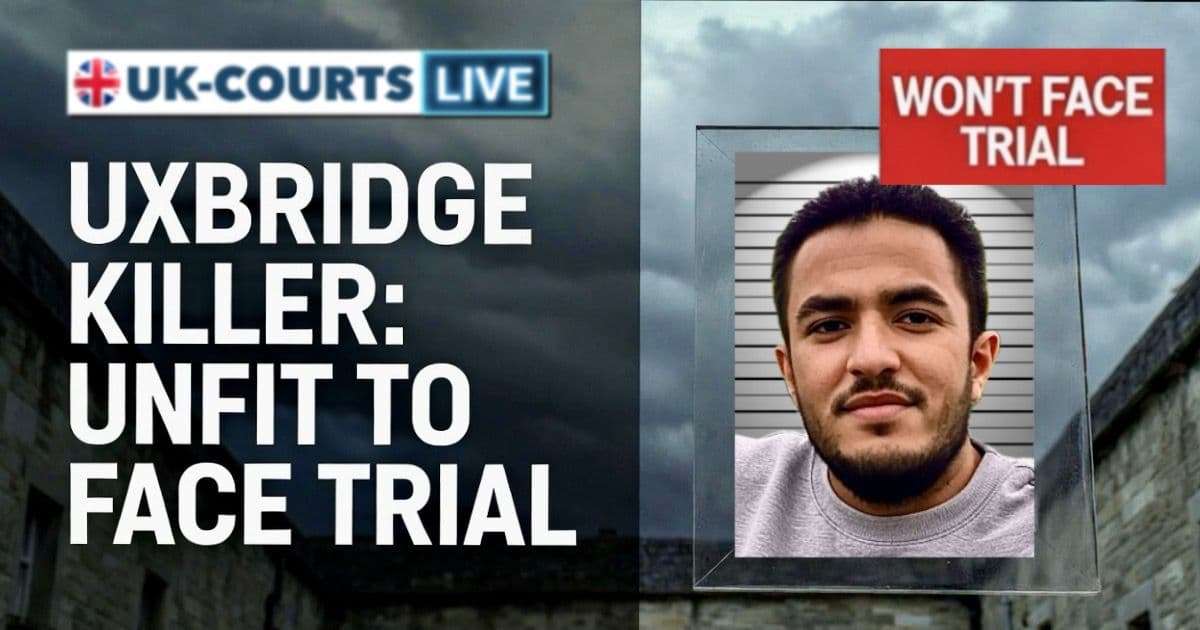
Sir Mark Rowley’s Warning Misinterpreted! Wild Claims of US Extradition Debunked—Americans Are Safe, Patriots Abroad, Actually in the Crosshairs!
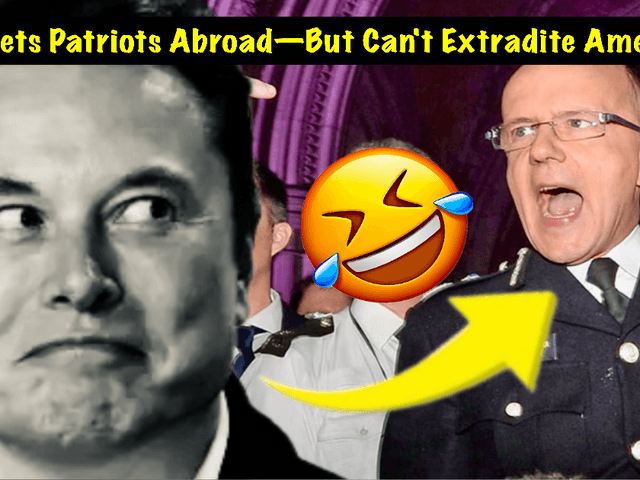
Sir Mark Rowley’s Warning Misinterpreted! Wild Claims of US Extradition Debunked—Americans Are Safe, Patriots Abroad, Actually in the Crosshairs!
Updated:Aug 12, 2024
Hi and welcome to this Video Production News update.Hi and welcome to this Video Production News update.
Sir Mark Rowley, the Commissioner of the Metropolitan Police, recently made headlines with his stern warning about the potential extradition of individuals inciting violence online. This statement has sparked significant debate, with some commentators mistakenly interpreting it as a threat directed at American citizens, including high-profile figures like Elon Musk. However, a closer examination of UK-US extradition laws, coupled with the context of Rowley’s remarks, reveals a very different reality.
It’s essential to understand the legal framework that governs extradition between the United Kingdom and the United States. Central to this framework is the principle of “dual criminality,” meaning that for an extradition request to succeed, the alleged offense must be recognized as a crime in both countries.
In the United Kingdom, incitement to violence can be prosecuted under various laws. However, in the United States, the First Amendment offers robust protections for freedom of speech, even when that speech is provocative or controversial. As a result, what might constitute incitement in the UK could be protected speech in the US. This fundamental difference in legal standards makes it virtually impossible to extradite an American citizen for online speech that does not cross the criminal threshold in the United States.
Given Sir Mark Rowley’s extensive experience and knowledge of international law, it’s clear that he would be fully aware of these legal limitations. Therefore, the suggestion that he was threatening to extradite Americans, including Elon Musk, is not only legally baseless but also logically unsound.
If Rowley wasn’t referring to Americans, then who was the true target of his warning? The answer likely lies closer to home. It appears that Rowley’s comments were directed at British nationals, specifically certain individuals currently residing abroad, whose online activities have allegedly breached UK laws. These individuals, often self-described as “patriots,” haveallegedlyallegedlyused online platforms to incite or organize activities that our current UK government views as possibly threatening to public order.
Considering this context, one might wonder about the strategic intent behind Sir Mark Rowley’s statements. Was his goal merely to warn those abroad that they are not beyond the reach of UK law, or is there a deeper, more calculated motive at play?
Related Articles


Comments (0)
No comments yet. Be the first to share your thoughts!
Leave a Comment
Your email address will not be published. Comments are moderated before appearing.