Sub Judice Explained Amid Tommy Robinson Trial Tweet Ban Controversy
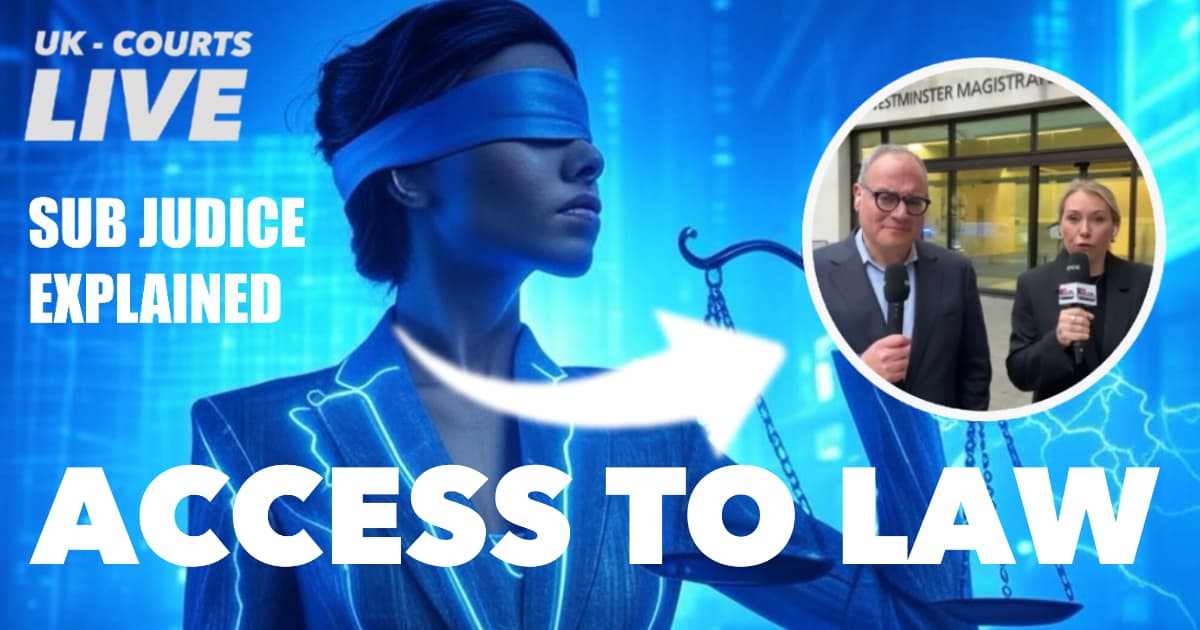
Shocking courtroom clampdown! Live tweets spark fury as judge halts biased posts in Tommy Robinson’s trial, exposing the tightrope of sub judice in UK courts.
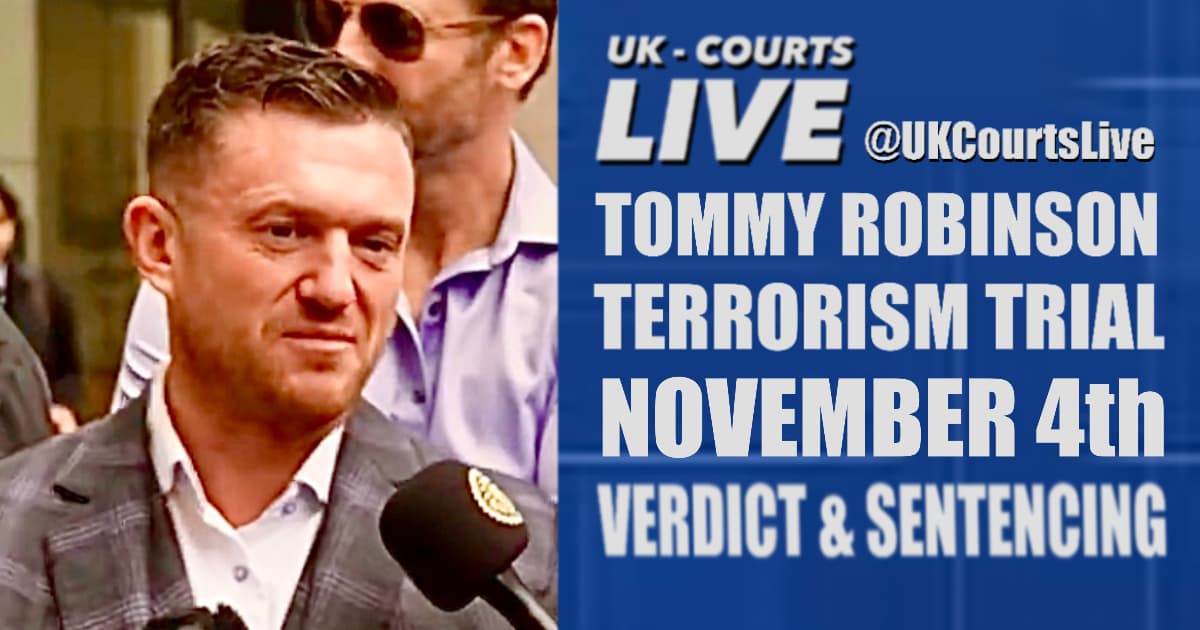
A Westminster Magistrates’ Court judge today banned a number of people from live tweeting from the court during the ongoing Tommy Robinson terrorism trial, sparking a deeply flawed debate over the boundaries of courtroom reporting in non-jury proceedings.
The decision came amid highly contentious real-time updates on the Tommy Robinson terrorism trial where commentary sharply veered into prejudicial territory, prompting the court to enforce restrictions to safeguard the administration of justice.
Legal experts affirm the ruling’s validity under the Contempt of Court Act 1981, which applies universally to active proceedings, irrespective of jury involvement.
District Judge Sam Goozée, presiding over the Tommy Robinson trial acted decisively as updates included accusations of judicial bias, unethical conduct by the prosecutor, systemic “two-tier justice,” & even direct unprofessional name calling of police officers giving evidence, creating a substantial risk of serious prejudice.
Section 2(2) of the 1981 Act deems such publications contemptuous if they impede justice, a threshold met here through editorialising that impugned court officers and the process itself.
Many Critics quickly argued that the ban was unnecessary in a magistrates’ court, citing the absence of a jury susceptible to external influence, yet they totally overlooked the broader risks: eroding public confidence, pressuring witnesses, and undermining impartiality before a district judge trained to disregard extraneous material but operating within a system vulnerable to reputational harm.
Many precedents, such as HM Attorney General v Associated Newspapers Ltd, underscores that contempt protections do extend to non-jury trials where publications threaten the judicial process’s integrity.
The strict liability rule in Section 2(3) targets public-facing content during active cases, amplified by social media’s reach—initial posts in this instance garnered over 120,000 views, heightening potential interference.
Banning these persons from live tweeting was not an overreach but a proportionate measure to prevent ongoing breaches, especially as commentary mocked prosecution arguments as “lame,” labelled judges “political,” and accused officers of falsehoods in real time.
Related Articles
Comments (0)
No comments yet. Be the first to share your thoughts!
Leave a Comment
Your email address will not be published. Comments are moderated before appearing.