
🔴 VIRTUAL PRISONS: THE CURE FOR UK KNIFE CRIME SENTENCING?
🔴 EDITOR’S NOTE (FEBRUARY 2026):
We are republishing this 2025 Op-Ed as a parliamentary petition gains traction. With prison capacity at a breaking point and public patience at zero, the "Virtual Prison" is no longer a sci-fi concept—it is a logistical necessity.
In the bustling streets of London, the shadow of knife crime looms large, casting a dark cloud over communities and instilling fear in the hearts of residents.
Despite concerted efforts to tackle this scourge, recent data paints a grim picture: knife crime incidents are on the rise, and the number of offenders receiving prison sentences is declining to the point where the proportion of knife offenders given immediate jail sentences has fallen to 26.2 per cent.
This is down from a peak of 42.9 per cent in 2020 and the lowest on record, according to Ministry of Justice figures for the quarter to September 2023. Behind this troubling trend lies a harsh reality - the shortage of prison facilities to accommodate the growing influx of offenders.
In the eyes of the law, repeat offenders of carrying illegal bladed articles (Knives) in public should face mandatory prison sentences under the 'two strikes and you're out' law. However, in practice, judges find themselves grappling with a dilemma: how to enforce these mandates when there simply aren't enough prison spaces available.
The result? Judicial discretion is influenced not only by legal considerations but also by pragmatic concerns regarding the capacity of the criminal justice system.
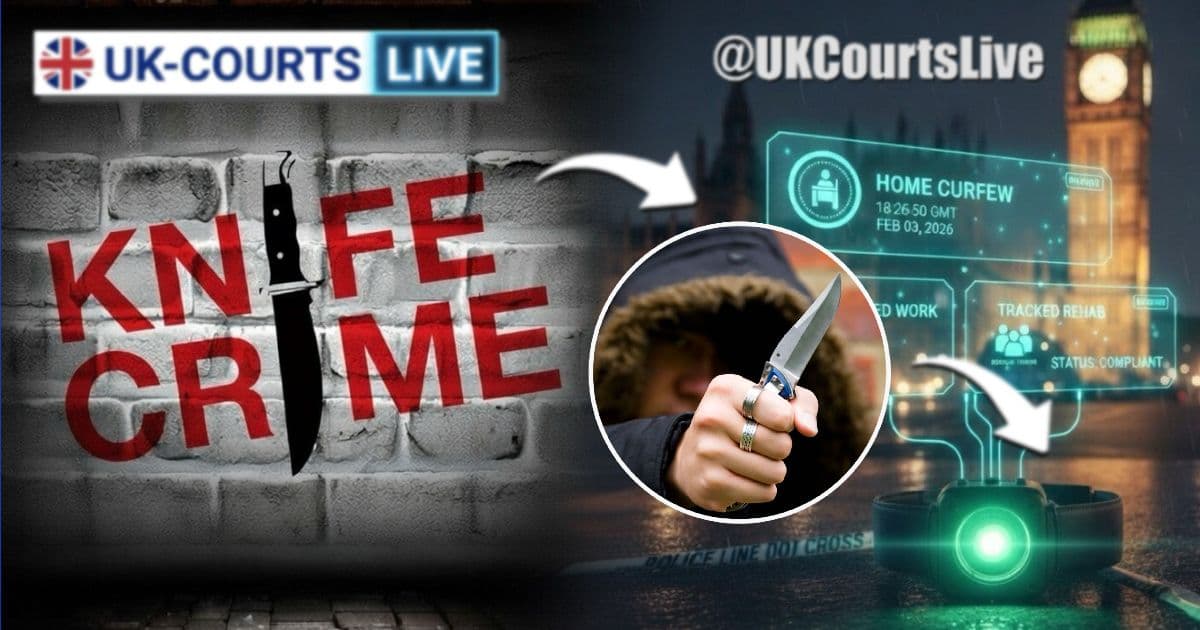
Enter virtual prison sentences via GPS ankle bracelets - an innovative alternative to traditional imprisonment that offers a glimmer of hope in the face of mounting challenges.
But What is a True Virtual Prison Sentence:
While GPS ankle bracelets are already a fixture of the British justice system, their current application is largely limited to enforcing overnight curfews or restricting offenders from specific exclusion zones.
A true Virtual Prison Sentence, however, represents a fundamental shift in philosophy. Instead of merely managing an offender’s free time, it effectively transforms their residence into a functional cell.
Under this model, the standard logic of a curfew is reversed. The offender is required to remain within their home for the vast majority of the day, mirroring the confinement of a physical wing.
Related Articles

Comments (0)
No comments yet. Be the first to share your thoughts!
Leave a Comment
Your email address will not be published. Comments are moderated before appearing.