
Axel Rudakubana’s Court Appearances by Video Link: A Question Of Justice in Court !
Hi and welcome to this JK NEWS B'HAM Op-Ed Editorial for VPN: REGIONAL NETWORKS:
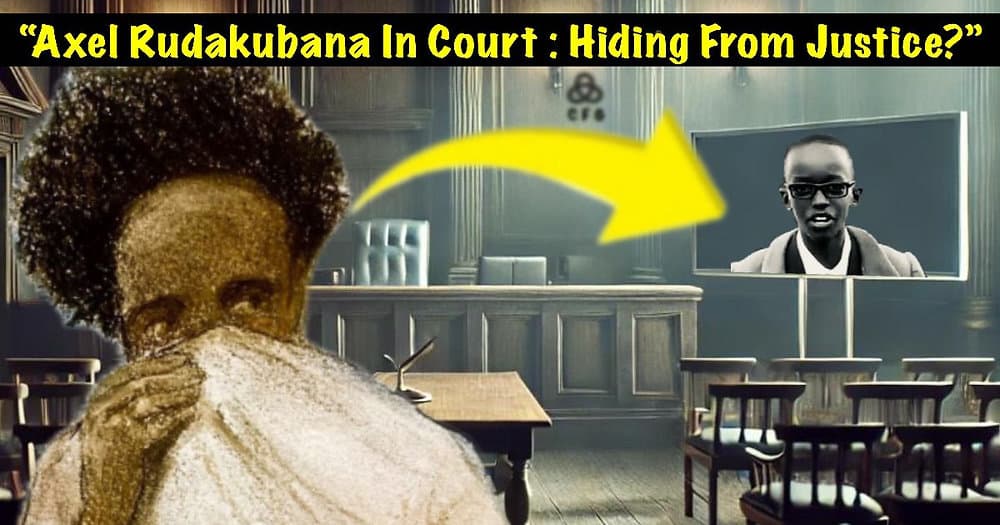
The ongoing case of Axel Rudakubana, the 18-year-old accused of carrying out a horrific knife attack in Southport that took the lives of three young children, raises significant questions about justice, transparency, and the rights of both victims and the accused. Rudakubana has thus far appeared only by video link from Belmarsh prison, his face partially obscured, declining to engage with the court in any way beyond his physical presence onscreen. The handling of his appearances has sparked debate, both for what it symbolizes and for the practical implications it has on the trial process.
Video link appearances were originally introduced into the justice system to facilitate smoother, more compassionate proceedings—especially for vulnerable victims or witnesses who may feel threatened or traumatized by physical presence in a courtroom. For some defendants, the option also serves practical purposes, such as avoiding unnecessary transport or minimizing security risks. But the purpose of these accommodations was never to allow defendants to pick and choose their level of engagement with the court. If the accused chooses to remain absent, unseen, and unheard in high-profile, deeply impactful cases, it brings to light the question of whether this technology could be abused to avoid the scrutiny and accountability that an in-person presence naturally demands.
The controversy surrounding Rudakubana’s limited and obscured appearances via video link brings forward a philosophical concern. Justice systems are founded on the belief that court proceedings are inherently public, a process where all involved parties—the judge, lawyers, witnesses, the jury, the media, and the public gallery, including the victims’ families—can observe and, by extension, hold accountable everyone who plays a part in the proceedings. The court setting demands a level of transparency and engagement; it is not merely procedural but symbolic, reflecting the seriousness and gravitas of the justice process. By appearing via video, Rudakubana removes himself to a certain degree from the immediacy and intensity of the courtroom, arguably diluting the psychological and emotional impact that an in-person presence might have on the jury and observers alike. In many ways, it is as if he has taken shelter behind a screen, leaving others to face the realities of the trial while he remains detached.
There are many questions which will need to be settled one way or another. For example, there could be a question about equal access to video link services in court. Current applications are often limited by practicalities and not always available to every defendant. If they were, some would argue it might encourage defendants to stay remote and disengaged, to “attend” court while bypassing the exposure that being in person entails. This creates the potential for a perceived—or even real—double standard, sparking a need for guidelines around when and for whom video appearances are appropriate. Whatever outcome is chosen, courts are likely to fight hard to uphold standards of justice and avoid allowing defendants to escape accountability for their actions.
Related Articles

Comments (0)
No comments yet. Be the first to share your thoughts!
Leave a Comment
Your email address will not be published. Comments are moderated before appearing.